
A Homespun Thanksgiving
Nov 14th 2026
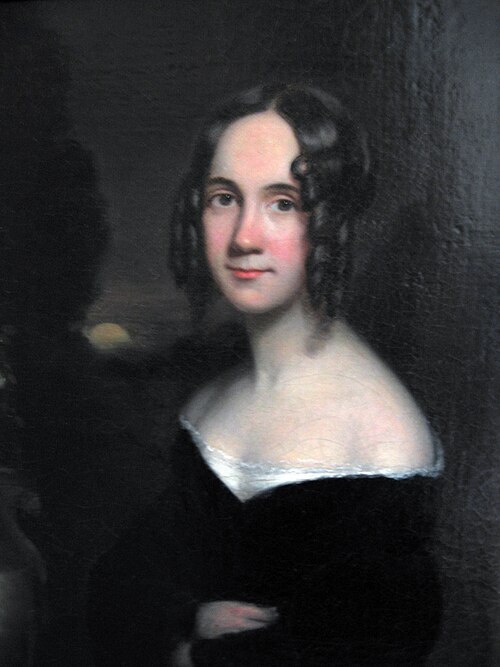
In the mid-1800s, Sarah Josepha Hale became the "Mother of Thanksgiving" by successfully lobbying President Abraham Lincoln to declare it a national federal holiday. Hale directly pointed back to the homespun era as the ultimate historical standard for American womanhood, domestic unity, and patriotism.
What is Homespun and the Homespun Movement?
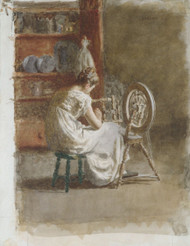
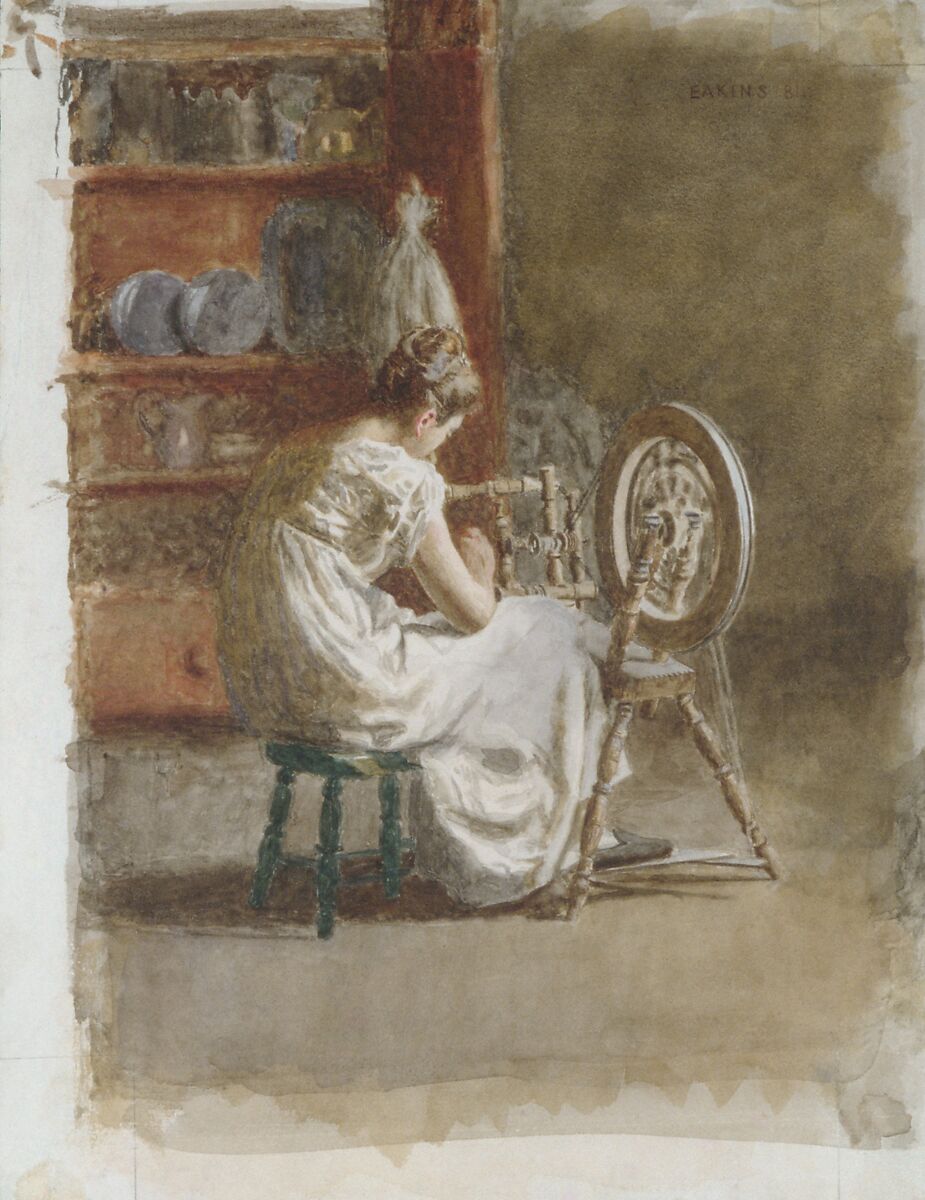
"Homespun" refers to any textile like wool, flax, hemp, or cotton spun, knitted, or woven in a domestic, non-industrial setting rather than imported from abroad. Under Britain's mercantilist economic system, colonial trade and manufacturing were tightly regulated. A key example was the Wool Act of 1699, which outlawed colonial wool exports to protect British manufacturers from competition. By restricting local production, these policies intentionally bound the Thirteen Colonies to economic reliance on Britain, creating a significant hurdle to securing independence and sparking the birth of the Homespun Movement, a response to British control where colonialists boycotted imports and produced their own homespun fabric.
Knitting in colonial America became an essential domestic survival skill that transformed into a powerful tool of political resistance during the American Revolution. American revolutionaries boycotted imported British textiles and organized massive public "spinning bees" to produce domestic textiles.
Homespun as a Patriotic Symbol
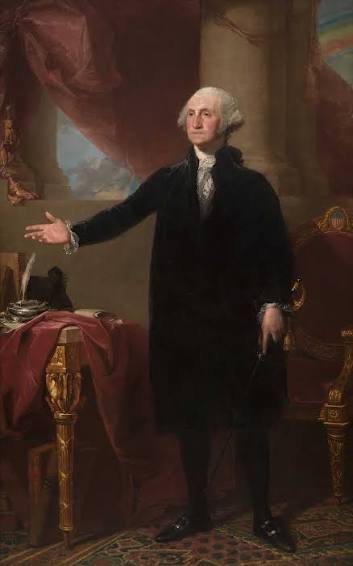
Colonists chose to wear coarse, locally made "homespun" cloth instead of luxurious imported British finery, turning an everyday necessity into a visible, patriotic symbol of self-sufficiency and open defiance. In fact, at his first inauguration on April 30, 1789, George Washington deliberately wore a brown homespun suit to signal economic independence from Great Britain. By choosing an American-produced broadcloth for his first inaugural suit, Washington supported the economic growth and industrial establishment within the newly established United States.
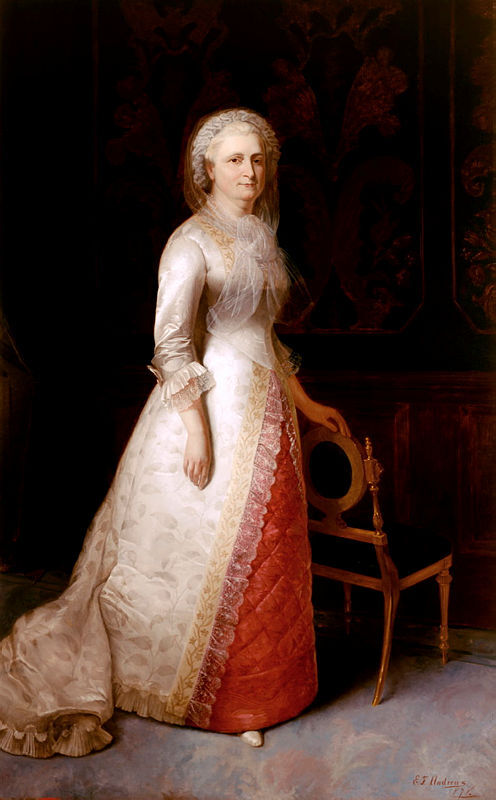
Images of the colonial woman spinning yarn at her wheel and the family gathering around a harvest table became twin symbols of early American industriousness. Even Martha Washington, the First Lady, was a prolific knitter. Her knitting rarely left her hands; the clicking of her needles could be heard during pauses in conversation.
From Revolution to National Holiday
Sarah Josepha Hale framed the colonial spinning bees not just as an act of wartime desperation, but as a masterclass in American self-reliance. Women did not fight on the front lines. Instead, they won independence at the spinning wheel and in the kitchen. She used this historical precedent to argue that the upcoming national Thanksgiving holiday should celebrate this exact brand of quiet, home-centered virtue rather than military dominance. Hale successfully used the domestic, homespun imagery of early American women to establish a national holiday dedicated to unity, healing, and the home.
Let’s Celebrate Homespun This Thanksgiving
Come in to Knit, Knot and Natter and check out our selection of hand-dyed yarns. Mention this Blog Post to get a free pattern and start your own homespun project this Thanksgiving.
Looking for a homespun project? Join us for our upcoming Fall Holiday 2026 class lineup:
- Gobble ‘til You Wobble (11/4 & 11/18): Craft a playful, festive statement piece in knit or crochet to wear at the dinner table.
- Intro to Knitting or Crochet (Starting 11/5): Master fundamental stitches and create a cozy cowl or scarf.
- Fingerless Mitts Sip & Crochet (11/27): Skip the Black Friday rush and join us for a relaxing afternoon crafting winter gifts.
- Sierra Beanie Sip & Knit (11/28): Keep the cozy Thanksgiving weekend vibes going with a stylish beanie project.